
A little bit outside

I like to say now, from the vantage of my forties, that as a teen I loved classical music but it didn’t love me back. That’s sort of an exaggeration. I did find a certain amount of success and pleasure in my studies, a positive feedback loop that kept me going. I practiced a lot, three hours a day by the end of high school. I loved the rigor and promise of the practice room. Occasionally another student would come to the music building and listen to me, which was flattering. (It was especially flattering if they were also flirting with me.) In classical music I’d found a sense of belonging, which is probably one of the central motivations for any teen to pursue anything. Orchestra was where my people were, and those people appreciated me. In my senior year I performed a concerto movement with them. I gave a solo recital. I was voted “most musical” in the yearbook. In my room I listened to all the big warhorse concertos and pledged my soul to the pure exhilaration and virtuosity I heard there. No matter that I wasn’t good enough to play those pieces yet, not anywhere near that good. I was alive with the striving.
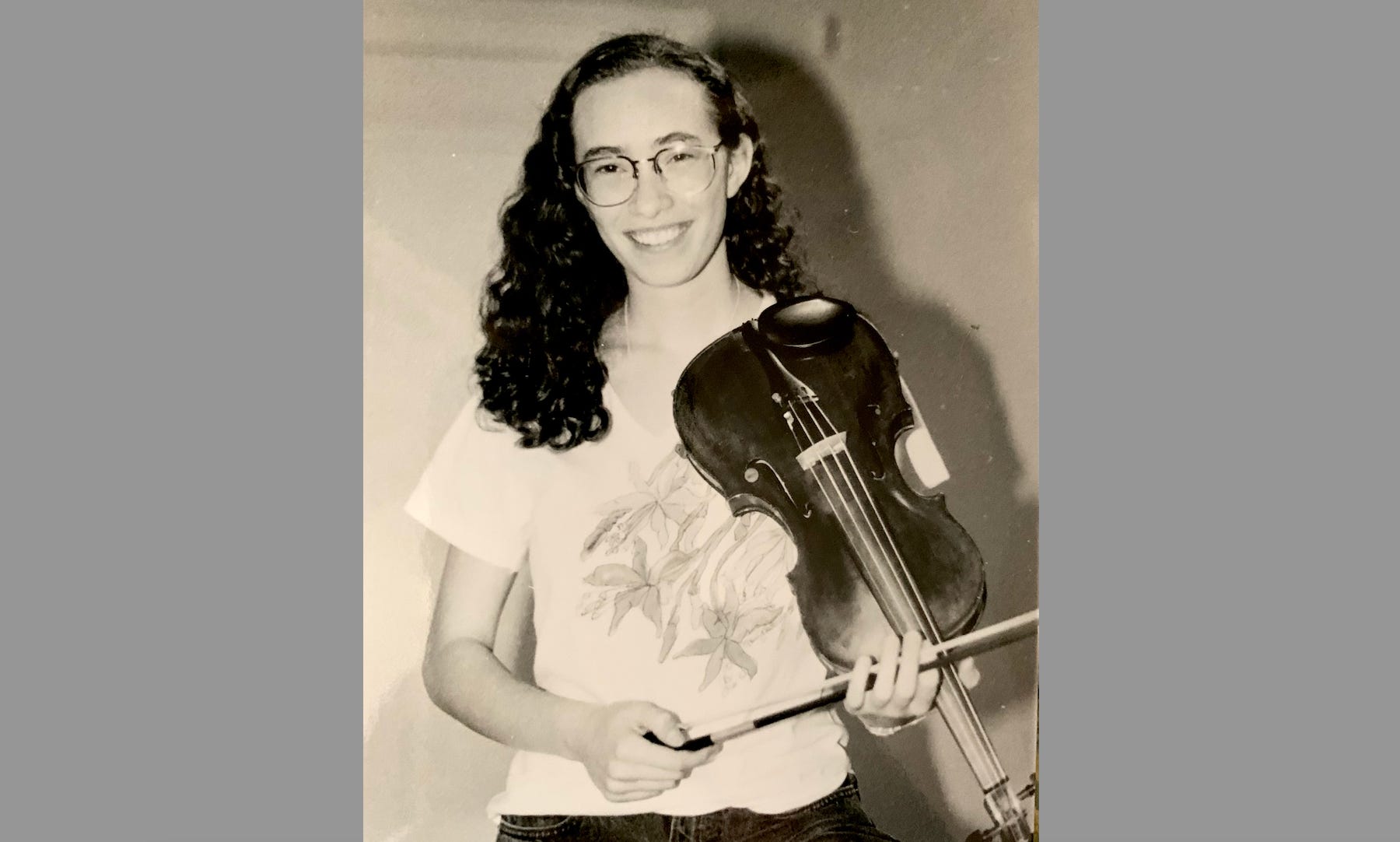
For three of my teen years I also went to a top-tier residential summer school for string players, many of them from Juilliard or its pre-college program. During those seven weeks each year, I wasn’t one of the best players, like I was at home, but one of the worst. I worked as hard as I possibly could and still felt a crushing sense of inadequacy. In every interaction it was clear that the teachers were there for students other than me. I literally dreamed, asleep in my bed, of playing the coveted Tchaikovsky concerto, of watching my own fingers on the strings in amazement, finally so nimble!, so in tune!, and I cried when I woke up. “This far and no farther” was what that place said to me, or, perhaps, what the limits of my physical ability revealed to me when the bar was raised. Would I have had a different experience if I’d found the right teacher for me somewhere, in an environment with different values and a different structure? Or was it just my own anxiety that barred my path, making me seize up when things got real? How, exactly, did I form the idea that there was no way I’d ever be “good,” no matter what I did?
I don’t wish I’d stayed in the high-level classical music world, so the answers to these questions almost don’t matter — except that now as a teacher I’m curious about what other possibilities could unfold for someone like the teen I was. I take a more questioning stance toward those hours I spent in the practice room. Was I, as an introvert, just relieved to have an excuse to retreat somewhere alone and tangle with something that was difficult and in a sense impersonal — to enter the crucible for its own sake? Was I listening to classical music (by which I mean exclusively the Romantic concerto and showpiece repertoire for my instrument) only for the power and specialness it seemed to both offer and withhold?
If those were my reasons for engaging with classical music, I don’t think they’re necessarily bad ones. To grapple with some demanding physical craft in the service of beauty and expression is an experience I think everyone should have in their formative years. As a teacher, I want to stay curious about the entire complicated constellation of motivations, conscious and unconscious, that each student brings to the work. I learned a lot from my teen exertions. It was real. I got enough that was positive from the study of classical music — and I still like classical music enough — that I find it endlessly exciting and meaningful to teach.
I’m also a bit of an outsider to it now, not just because I no longer play modern classical music outside of my teaching time but because I also teach other types of music, which bring with them completely different assumptions, value systems, and pedagogical traditions. There might still be a few things I do just because it’s how I was taught or how it’s “always” been done. But most of the time, I’m questioning everything and actively reinventing some things. I look forward to sharing not just how I teach the other genres but how my teaching of classical music has been transformed by that contact.
- - -
I anticipate posting here around once or twice a month, on average, and I’m not planning to require a fee. I hope you’ll join me by subscribing for free, and if you’re not already a fan of Seattle Historical Arts for Kids and Seattle Fiddlesticks, I’d be delighted for you to explore and follow our work there too.
Your commitment to questioning how to do things is one of my favourite things about teaching with you. It makes me flex teacher muscles that I didn’t know I had.